Rattling Noises in Cars: Causes, Solutions, and When to See a Mechanic
Rattling noises in cars can be concerning, especially when you’re unsure of the cause. They range from minor nuisances to signals of significant problems that need immediate attention.
Understanding the possible causes, knowing how to address them, and learning when to seek professional help can make a huge difference in maintaining your car’s health and your peace of mind.
Let’s explore the common causes of rattling noises, practical solutions, and tips for deciding when to consult a mechanic.
What Causes Rattling Noises in Cars?
Rattling sounds in your car can arise from various parts and systems. These noises can be symptoms of something as simple as a loose bolt or as complex as a failing engine component. Below are the most common sources of rattling noises:
1. Loose or Worn-Out Parts
Over time, your car experiences a lot of vibrations. These vibrations can cause parts like bolts, nuts, and screws to loosen.
For instance, the heat shield, a metal component designed to protect various car parts from heat, often becomes loose due to corrosion or wear. When it loosens, it can produce a metallic rattling noise that you might hear under the car.
Other loose parts, such as body panels or undercarriage components, can also rattle when you’re driving, especially on uneven roads.
2. Exhaust System Issues
The exhaust system runs along the underside of your car and is responsible for directing harmful gases away from the engine. Due to its exposed location, the exhaust system is prone to rust, damage, or misalignment over time. A rattling noise might indicate a loose or damaged muffler, catalytic converter, or exhaust pipe. For example, a broken catalytic converter can create a loud rattling sound, often most noticeable when idling.
3. Engine Problems
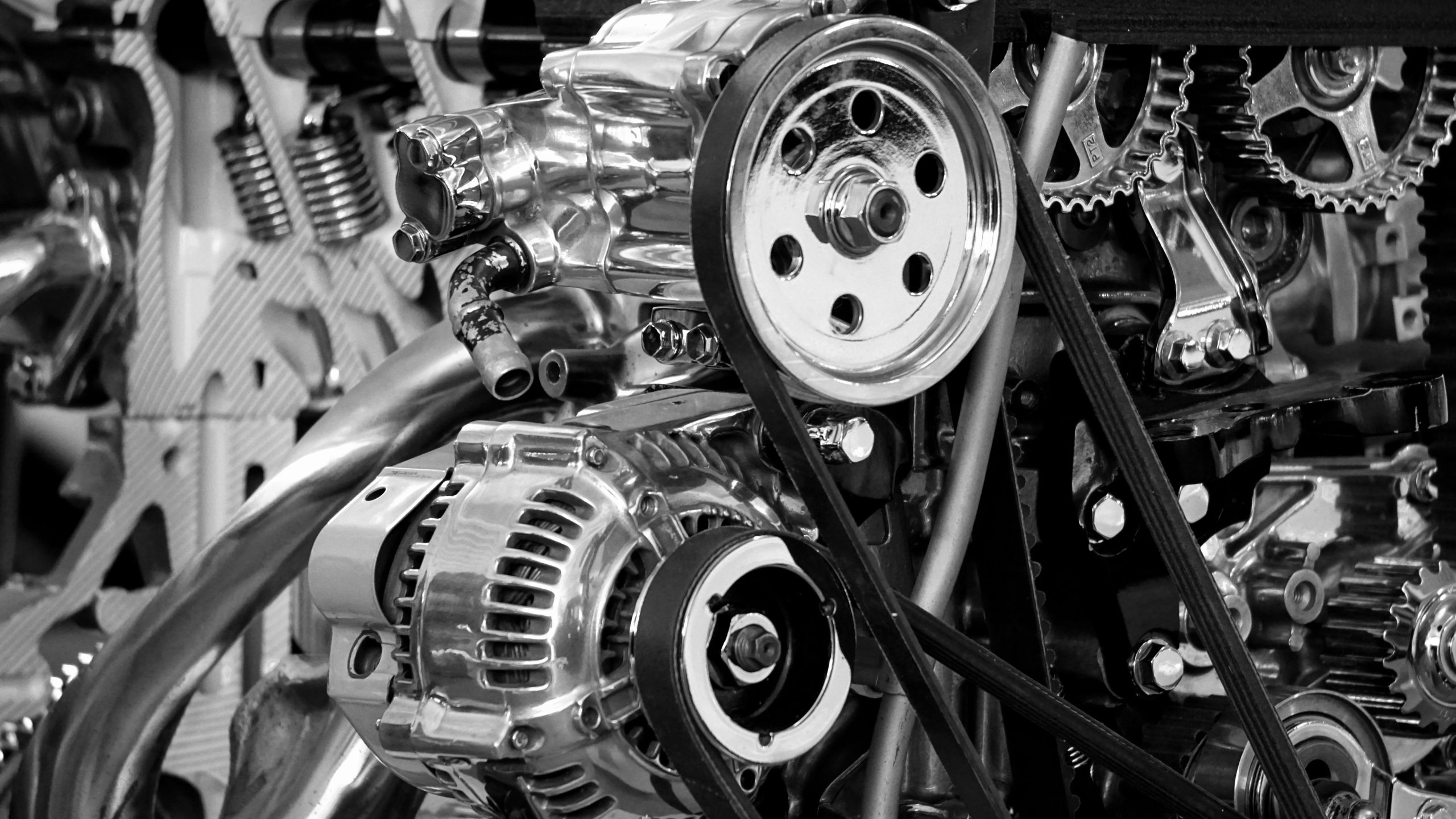
If the rattling noise is coming from under the hood, your engine might be the culprit. Common causes include:
- Loose Timing Chain: A timing chain that has too much slack can create a rattling noise, especially during acceleration.
- Worn Valves: Over time, the valves inside the engine may wear out, leading to unusual noises.
- Low Oil Levels: Insufficient oil means less lubrication for engine parts, which can result in metal-on-metal contact and rattling sounds.
4. Suspension and Steering
If you hear rattling when driving over bumps or rough roads, your car’s suspension system might be at fault. Worn-out shock absorbers, struts, or bushings can cause parts to clunk or rattle. Steering components, such as tie rods or ball joints, can also contribute to this issue if they are loose or damaged.
5. Interior Rattles
Sometimes, the source of the noise is inside your car. Loose panels, poorly secured cup holders, or even small objects like coins or pens rolling around can create distracting rattles.
6. Tires and Wheels
If you hear rattling noises coming from the wheels, it might be due to:
- Loose Lug Nuts: These can create a dangerous situation and produce a clunking or rattling noise.
- Unbalanced Tires: Tires that aren’t balanced properly can cause vibrations and rattles, especially at higher speeds.
- Wheel Bearings: Worn-out bearings can also lead to persistent rattling, which might get worse when turning.
Solutions to Common Rattling Noises
Once you identify the source of the noise, you can take steps to resolve it. Here are some practical solutions:
1. Inspect and Tighten Loose Parts
If you suspect loose bolts or screws, visually inspect the car, focusing on the undercarriage and engine bay. Tighten anything that seems loose using appropriate tools. If you’re unsure where to look, consult your car’s manual or a professional.
2. Address Exhaust System Problems
For issues related to the exhaust system, such as rusted pipes or a loose muffler, consider replacing damaged parts. In some cases, a mechanic might weld or reattach the components instead of replacing them, which could save you money.
3. Check Engine Oil and Components
If the rattling is coming from the engine, check the oil level first. Low oil levels can cause significant damage if left unaddressed. Regularly maintaining proper oil levels and changing the oil as recommended by your car’s manufacturer can prevent engine-related rattling. For timing chains or worn-out valves, professional assistance is necessary.
4. Inspect Suspension and Steering
Suspension-related noises often require replacing parts like bushings, shocks, or struts. Although these replacements may seem costly, they are essential for your car’s stability and safety.
5. Secure Interior Components
For interior rattles, check for loose panels, screws, or items rolling around. Remove unnecessary items and secure any loose components with adhesive or screws.
6. Examine Tires and Wheels
If the rattling originates from the wheels, ensure that all lug nuts are tightened to the correct torque. Unbalanced tires can be fixed at a tire shop, where professionals will balance them using specialized equipment. Worn-out wheel bearings should be replaced promptly to avoid further complications.
When Should You See a Mechanic?
While some rattling noises are manageable with basic tools and knowledge, others require professional expertise.
Here are situations where consulting a mechanic is the best course of action:
- Persistent Noises: If the rattling persists even after addressing potential causes, it’s time for a deeper inspection.
- Performance Issues: Noises accompanied by engine misfires, reduced power, or poor handling indicate more severe issues.
- Warning Lights: An illuminated check engine light along with unusual noises could mean serious problems like engine misfires or emissions system failures.
- Unknown Causes: If you cannot locate the source of the noise or don’t feel confident performing the repairs, a mechanic can diagnose the problem accurately.
Preventing Rattling Noises in the Future
Taking a proactive approach to car maintenance can help you avoid most rattling noises. Here’s how:
- Schedule Regular Maintenance: Follow your car’s recommended maintenance schedule, which includes oil changes, tire rotations, and inspections of vital systems.
- Drive Smoothly: Avoid aggressive driving, such as hard braking or sudden accelerations, which can loosen parts over time.
- Inspect After Rough Drives: If you’ve driven on rough terrain, check the car for loose parts or damage afterward.
- Pay Attention to Small Noises: Don’t ignore minor rattles, as they can indicate bigger problems down the road.
Final Thoughts
Rattling noises in cars may be annoying, but they can also serve as an early warning sign for mechanical issues.
By understanding the common causes, implementing effective solutions, and knowing when to involve a mechanic, you can ensure a quieter and safer driving experience.
Regular maintenance and prompt attention to unusual sounds will go a long way in keeping your car in top condition.