There’s nothing worse than getting into your car on a freezing winter morning, turning on the heat, and being greeted by icy blasts of air.
Your car’s heater is supposed to be your refuge from the chill, but when it starts blowing cold air, it can leave you frustrated and shivering.
If this has happened to you, don’t worry; you’re not alone, and the problem is often fixable.
Let’s explore the reasons why your car’s heater might be blowing cold air during winter and what you can do about it.
1. Low Coolant Levels
One of the most common reasons for your heater blowing cold air is low coolant levels. The coolant, also known as antifreeze, plays a critical role in regulating your engine’s temperature.
It also flows through the heater core, transferring warmth to your cabin. When the coolant level is low, there’s not enough fluid to reach the heater core, leading to cold air blowing out of your vents.
What You Can Do
- Check your car’s coolant level using the reservoir tank under the hood. If it’s low, top it up with the recommended type of coolant for your vehicle.
- Inspect for leaks. Coolant leaks often occur in hoses, the radiator, or the water pump. If you find a leak, it’s best to get it repaired promptly.
2. Malfunctioning Thermostat
The thermostat controls the flow of coolant to the engine. If it’s stuck in the open position, the engine may never reach the optimal temperature, resulting in cold air blowing through your vents. On the flip side, a thermostat stuck in the closed position can cause overheating, which is another serious issue.
Signs of a Faulty Thermostat
- The temperature gauge stays on “cold” even after driving for several minutes.
- Your engine takes an unusually long time to warm up.
What You Can Do
If you suspect a faulty thermostat, it’s best to have a professional replace it. Thermostats are relatively inexpensive but crucial to your car’s heating and cooling systems.
3. Clogged Heater Core
The heater core is like a mini radiator located inside your car’s dashboard. It uses the engine’s coolant to produce warm air for the cabin. If the heater core becomes clogged with debris, rust, or sludge, the airflow will be restricted, and you’ll only feel cold air coming from the vents.
Symptoms of a Clogged Heater Core
- Weak airflow from the vents.
- A sweet smell (coolant) inside the cabin.
- Fogged-up windows that won’t clear easily.
What You Can Do
- A professional mechanic can flush the heater core to remove blockages.
- In severe cases, the heater core may need replacement.
4. Broken Blend Door Actuator
The blend door actuator is a small motor that controls the mix of hot and cold air in your car. If it’s malfunctioning, the heater might blow cold air even when you’ve set it to the highest temperature.
How to Identify This Issue
- The temperature inside your car doesn’t match the settings on the climate control.
- You may hear clicking noises from the dashboard.
What You Can Do
This repair often involves disassembling parts of the dashboard, so it’s best left to a professional unless you’re comfortable with DIY car repairs.
5. Air Trapped in the Cooling System
Sometimes, air bubbles can get trapped in the cooling system, preventing coolant from circulating properly. This can lead to cold air blowing from your heater, even if the coolant level appears sufficient.
What You Can Do
- Bleed the air out of the cooling system. Many cars have a specific valve for this purpose.
- If you’re unsure how to bleed the system, consult a mechanic.
6. Failing Water Pump
The water pump circulates coolant through the engine and heater core. If it’s failing, the flow of coolant may be insufficient, leading to cold air from the heater.
Signs of a Failing Water Pump
- Overheating engine.
- Coolant leaks near the front of the engine.
- Whining noise from the engine area.
What You Can Do
A failing water pump needs immediate attention from a professional mechanic. Ignoring this issue can lead to severe engine damage.
7. Frozen or Blocked Heater Control Valve
The heater control valve regulates the flow of hot coolant to the heater core. If this valve is stuck or frozen, it can block the coolant, causing your heater to blow cold air.
What You Can Do
Inspect the heater control valve for blockages or mechanical failure. This may also require professional servicing if the valve is damaged.
8. Electrical or Climate Control Issues
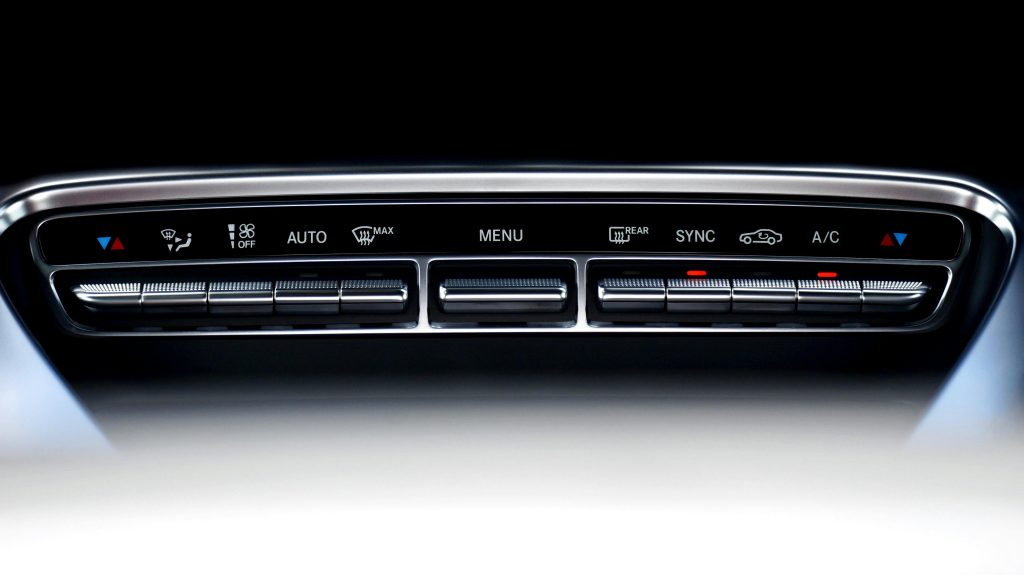
Modern cars often have complex climate control systems. Electrical problems, such as a blown fuse or a faulty control panel, can disrupt the operation of the heating system.
What You Can Do
- Check your car’s fuses to ensure none are blown.
- If you suspect an electrical issue, consult a mechanic experienced in diagnosing these systems.
Preventing Heating Problems
To avoid being left in the cold, follow these maintenance tips:
- Regularly check and top up your coolant.
- Schedule routine inspections of your cooling and heating systems.
- Flush and replace the coolant as recommended by your car’s manufacturer.
- Address minor issues promptly before they become major problems.
Final Thoughts
Your car’s heating system is essential for both comfort and safety during the winter.
While a heater blowing cold air can be frustrating, understanding the possible causes can help you diagnose and fix the problem quickly.
Whether it’s a simple coolant top-up or a more involved repair, taking action now can save you from a frosty ride later.
If you’re unsure about the cause, don’t hesitate to seek professional assistance. Stay warm, stay safe, and enjoy your winter drives!