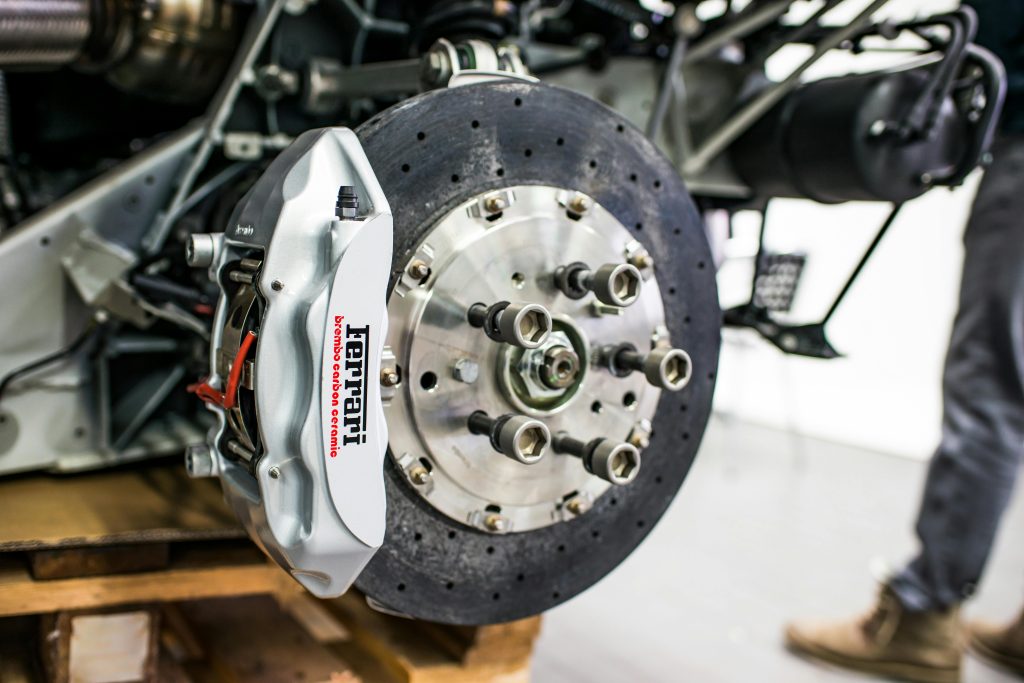
You’ve just replaced your brakes, expecting a smooth and silent driving experience. However, an irritating squeaking noise is ruining your peace of mind.
This is not uncommon and happens for various reasons. The good news is that squeaky brakes can often be resolved without significant repairs or replacements.
Let’s dive into why your new brakes might be squeaking and explore actionable tips to ensure a proper installation for optimal performance.
Why Are My New Brakes Squeaking?
Brake squeaking can stem from several factors. Understanding these causes is essential to resolving the issue effectively.
1. Normal Break-In Period
When you install new brake pads and rotors, they need time to adapt to each other. This process is called the “bedding-in” or “break-in” period. During this phase, the brake pads transfer a layer of material onto the rotor surface, creating an even friction area. The bedding-in process often produces squeaking noises as the materials settle.
If you notice squeaking within the first few days of installation, it’s usually nothing to worry about. The noise should diminish as the brakes adjust. However, if the sound persists beyond this period, further investigation is warranted.
2. Type of Brake Pads
Not all brake pads are designed the same, and their material can directly affect noise levels.
- Semi-metallic pads: These are durable and effective for high-performance vehicles but contain metal shavings that can cause squeaks, especially when they’re cold.
- Ceramic pads: Quieter and less abrasive, ceramic pads are a popular choice for everyday vehicles. However, they can still squeak if improperly paired with your rotors or not installed correctly.
- Low-quality pads: Budget-friendly options may cut costs by using inferior materials. These pads often wear unevenly and can produce constant squeaking. Investing in high-quality pads can save you trouble in the long run.
Choosing the right type of brake pad for your vehicle and driving habits is crucial to minimizing noise and ensuring safety.
3. Improper Installation
Even the best brake components won’t perform well if installed incorrectly. Poor installation is a common cause of brake noise. Here are some examples:
- Missing or misaligned shims: Shims act as a buffer between the brake pads and calipers to reduce vibration. Without them, the brakes can squeak.
- Loose hardware: Screws and bolts that are not properly tightened can cause uneven contact between the brake pads and rotors, leading to vibrations and noise.
- Incorrect pad placement: If the pads aren’t seated correctly, they can rub unevenly against the rotor, causing squeaks and uneven wear.
Improper installation can also compromise your vehicle’s safety, making it essential to double-check your work or seek professional assistance.
4. Lack of Lubrication
Brakes involve several moving parts, such as caliper pins and backing plates, which require proper lubrication to function smoothly. Without sufficient lubrication, friction between these components can produce squeaks.
High-temperature brake lubricant should be applied to:
- Caliper slides and pins.
- The back of the brake pads where they contact the calipers.
However, never apply lubricant to the surface of the brake pads or rotors, as this can compromise your braking performance.
5. Dust and Debris
Brakes operate in a dusty and dirty environment. Road debris, dirt, or even rust can accumulate on the brake pads and rotors. These particles can create squeaking sounds as they get trapped between the pad and the rotor during braking.
Regular cleaning and maintenance can prevent debris from becoming a recurring issue. Additionally, using brake cleaner during installation helps remove contaminants that might cause noise.
6. Moisture or Temperature Changes
Environmental factors like rain, humidity, or cold weather can contribute to brake squeaking. Moisture on the rotors often forms a thin layer of rust, especially if the vehicle has been sitting idle. This rust layer typically wears off after a few stops, but it can produce squeaky noises in the meantime.
Cold weather can also make certain brake pad materials stiffer, increasing the likelihood of noise during the first few applications.
Tips to Ensure Proper Brake Installation
Proper brake installation is key to preventing squeaks and ensuring optimal performance. Here’s how to do it right:
1. Use Quality Parts
Always invest in high-quality brake pads and rotors that are compatible with your vehicle. While cheaper options may seem tempting, they often use inferior materials that wear unevenly and produce noise. High-quality components last longer, perform better, and are less likely to squeak.
2. Clean the Components Thoroughly
Before installing new brakes, make sure the rotors and calipers are clean. Use a dedicated brake cleaner to remove grease, dust, and manufacturing residue. Any contaminants left on the components can lead to noise and uneven braking.
3. Inspect and Replace Hardware
Brake installation involves more than just pads and rotors. The hardware, such as shims, clips, and caliper pins, should also be inspected. Replace any worn or damaged parts to ensure a secure fit. Properly functioning hardware helps reduce vibration and ensures quiet braking.
4. Apply Brake Lubricant
Proper lubrication reduces friction between moving parts and prevents squeaks. Apply a thin layer of high-temperature brake grease to:
- The back of the brake pads.
- Contact points where the pads touch the calipers.
- Caliper slides and pins.
Be careful not to get lubricant on the rotor or braking surface of the pads.
5. Bed the Brakes Properly
The bedding-in process is essential for optimal brake performance. To bed your brakes:
- Drive at a moderate speed (around 35–40 mph).
- Apply the brakes firmly but gently slow the car to about 10 mph.
- Repeat this process 5–10 times without coming to a complete stop. This procedure creates an even transfer of material from the pads to the rotors, ensuring smooth and quiet braking.
6. Check Torque Specifications
Ensure all bolts and screws are tightened to the manufacturer’s specifications. Over-tightening can warp the rotors, while under-tightening can result in loose components that cause noise and reduce braking efficiency.
7. Monitor Rotor Condition
Rotors play a crucial role in brake performance. If they’re warped, uneven, or excessively worn, they can cause squeaking even with new pads. Resurface or replace the rotors if necessary to provide a smooth braking surface.
When to Seek Professional Help
If your brakes continue to squeak despite following these tips, it may be time to consult a professional mechanic. Persistent squeaking could indicate:
- A stuck caliper.
- Defective or improperly installed components.
- Deeper mechanical issues requiring advanced tools and expertise.
Conclusion
Squeaky brakes can be a frustrating experience, but they’re often a sign of easily fixable issues. From using high-quality parts to proper installation techniques, taking these steps will help ensure a quiet and smooth braking experience.
Your brakes are critical for safety, so if you’re ever unsure, don’t hesitate to seek professional assistance.
With attention to detail and regular maintenance, you’ll enjoy a safer, quieter ride for miles to come.