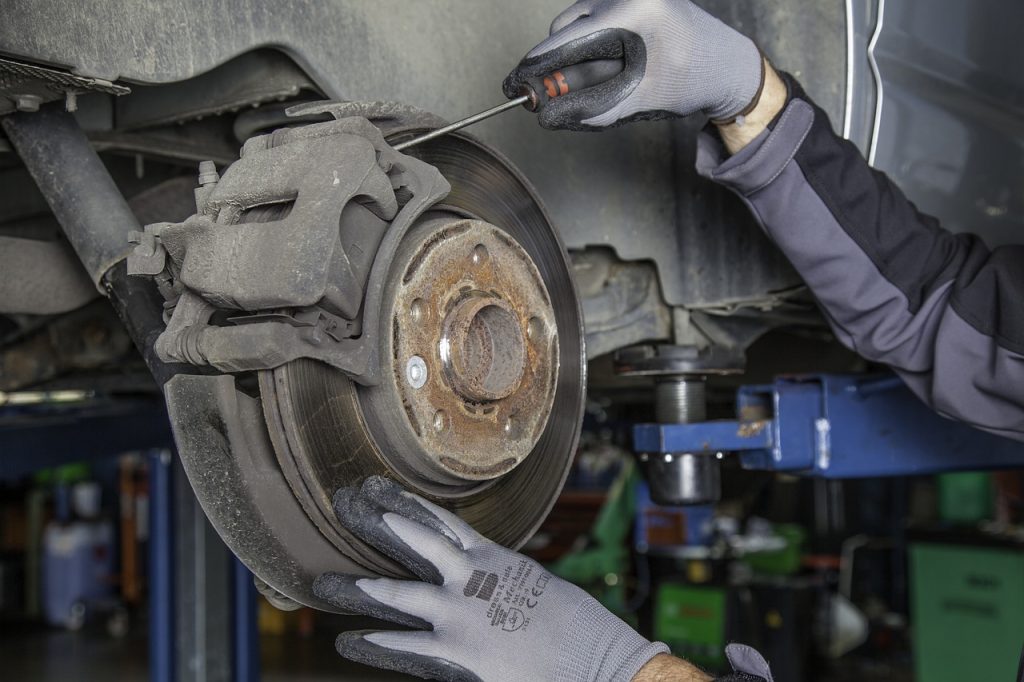
Squeaky brakes can be annoying and sometimes even embarrassing. But more importantly, they could signal a potential problem with your vehicle’s braking system.
If you’re tired of the high-pitched squeals and want to ensure your brakes are performing at their best, you’re in the right place.
In this guide, we’ll walk you through simple steps to fix squeaky brakes and improve their performance.
Why Do Brakes Squeak?
Before diving into the solution, it’s important to understand the common causes of squeaky brakes.
Here are some typical reasons:
- Worn Brake Pads: When brake pads wear down, the metal underneath can cause squealing.
- Dirty Rotors or Pads: Dust, dirt, or debris can get trapped, leading to noise.
- Lack of Lubrication: Dry brake components can result in friction, causing squeaks.
- Glazed Brake Pads or Rotors: Overheating can create a hard surface on the pads or rotors, reducing efficiency.
- Moisture: Water or humidity can temporarily cause brakes to squeak, especially in the morning.
Understanding the root cause helps you address the issue more effectively.
Tools and Supplies You’ll Need
To fix squeaky brakes, gather the following tools and supplies:
- Jack and Jack stands
- Lug wrench
- Screwdriver or socket set
- Brake cleaner spray
- Sandpaper or a brake pad file
- Anti-squeal brake lubricant
- New brake pads (if replacement is necessary)
Safety is crucial when working on your vehicle. Always wear gloves and eye protection, and ensure your car is securely lifted before starting.
Step 1: Inspect the Brake Pads
Start by checking the condition of your brake pads. Here’s how:
- Use a jack to lift your car and remove the wheels.
- Examine the brake pads through the caliper. If they’re less than 1/4 inch thick, it’s time to replace them.
- Look for signs of uneven wear, cracks, or glazing on the pads.
If your brake pads are worn or damaged, replacing them is the first step to solving the squeaking problem.
Step 2: Clean the Brake Components
Dirt and debris can accumulate on the rotors and pads, leading to squeaks.
Cleaning them is simple:
- Spray brake cleaner on the rotors and pads to remove grime.
- Use a clean cloth or paper towel to wipe away excess dirt.
- Check for any embedded debris on the rotors or pads, and gently remove it with a soft brush.
Cleaning can often resolve minor squeaking issues without needing further repairs.
Step 3: Resurface or Sand the Brake Pads
If your brake pads are glazed, sanding them can restore their functionality:
- Remove the brake pads from the caliper.
- Use sandpaper or a brake pad file to gently sand the surface of the pads.
- Ensure an even finish and avoid removing too much material.
- Reinstall the pads and ensure they’re securely in place.
Sanding helps remove the hardened surface and improves friction, reducing noise.
Step 4: Lubricate the Brake Components
Lubrication is key to eliminating squeaks caused by dry components. Follow these steps:
- Apply anti-squeal brake lubricant to the back of the brake pads (not the friction side).
- Lubricate any metal contact points, such as the caliper pins or clips.
- Avoid getting lubricant on the rotors or pad surfaces, as it can reduce braking efficiency.
Proper lubrication minimizes friction and ensures smooth brake operation.
Step 5: Replace Worn-Out Parts
If cleaning, sanding, and lubricating don’t solve the issue, you may need to replace certain components.
Common replacements include:
- Brake Pads: Choose high-quality pads to improve performance and reduce noise.
- Rotors: If your rotors are heavily scored or warped, replacing them is essential.
- Calipers: Faulty calipers can cause uneven braking and squeaks, requiring replacement.
Investing in quality parts ensures long-term reliability and better performance.
Step 6: Reassemble and Test
Once you’ve addressed the issue, it’s time to put everything back together:
- Reinstall the wheels and lower the car.
- Pump the brake pedal a few times to ensure proper pad alignment.
- Take your vehicle for a test drive in a safe area to check for noise and performance.
Listen carefully during the test drive. If the squeaking persists, double-check your work or consult a professional mechanic.
Preventing Future Squeaky Brakes
To keep your brakes in top condition and prevent squeaking in the future, follow these tips:
- Regular Maintenance: Clean and inspect your brakes periodically.
- Avoid Aggressive Braking: Hard braking can lead to overheating and glazing.
- Use High-Quality Parts: Invest in premium brake pads and rotors for better durability.
- Drive Smoothly: Gradual braking reduces wear and tear on the components.
These habits not only minimize squeaks but also enhance the overall safety and performance of your vehicle.
When to Seek Professional Help
While these steps are straightforward, some issues may require professional assistance.
If you notice:
- Persistent squeaking despite your efforts
- Reduced braking performance
- A spongy or unresponsive brake pedal
Contact a certified mechanic immediately. Brakes are a critical safety component, and unresolved issues can lead to accidents.
Final Thoughts
Fixing squeaky brakes doesn’t have to be complicated. By following these simple steps, you can restore peace and improve your vehicle’s braking performance.
Regular maintenance and attention to detail go a long way in ensuring your brakes stay quiet and effective.
A well-maintained braking system not only keeps you safe but also makes your driving experience more enjoyable. Stay proactive, and drive safely!