
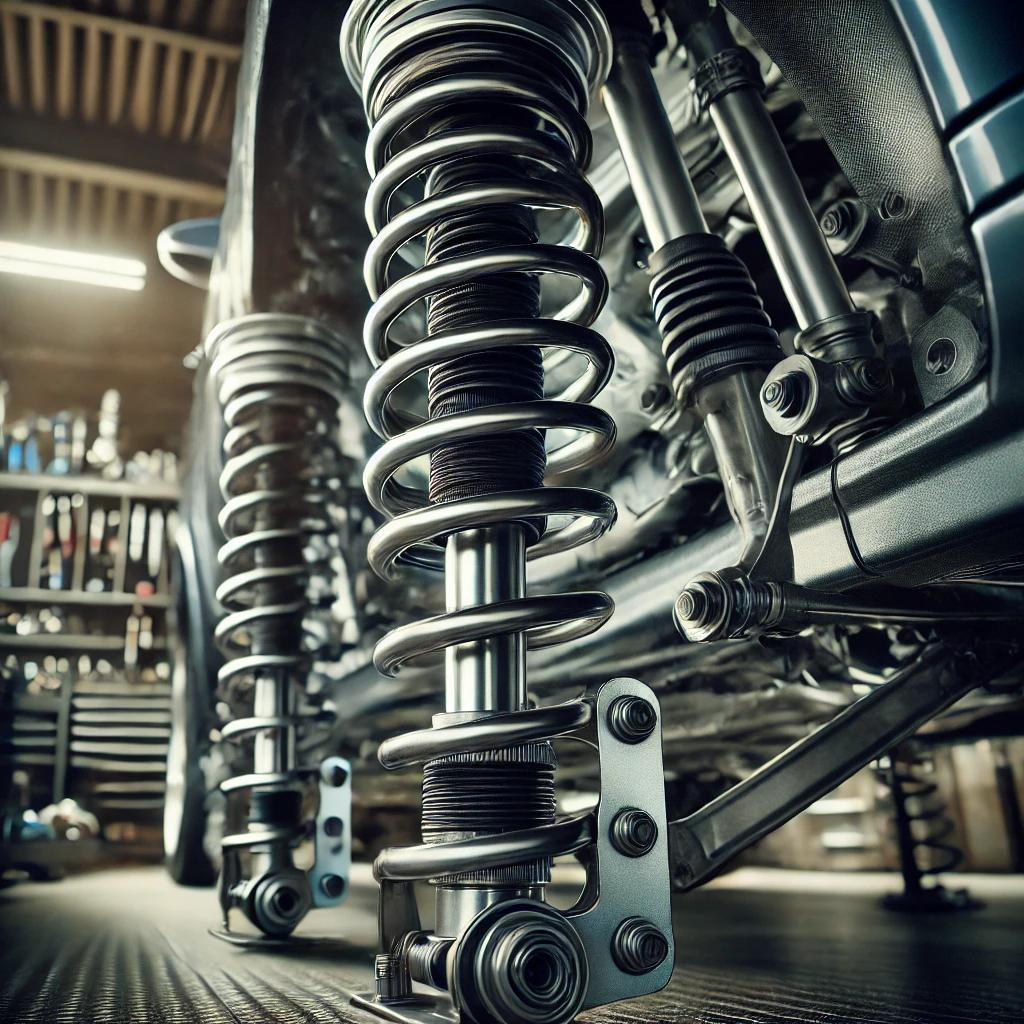
Your vehicle’s suspension system plays a critical role in ensuring a smooth ride, maintaining control, and keeping you safe on the road.
Over time, wear and tear can lead to suspension problems, which can affect your driving experience and safety. Diagnosing bad suspension symptoms early can save you from costly repairs and dangerous driving conditions.
This guide will help you identify common suspension issues and understand how to check for them.
What is the Suspension System?
The suspension system in your vehicle is designed to absorb shocks from the road and keep your tires in contact with the ground.
It includes components like:
- Shocks and Struts: Absorb impact and provide stability.
- Springs: Support the vehicle’s weight and absorb road irregularities.
- Control Arms and Bushings: Connect the suspension to the car’s frame.
- Steering Components: Help control direction and stability.
When any of these parts wear out or fail, you’ll notice changes in how your vehicle handles.
Signs of a Bad Suspension System
Understanding the symptoms of suspension issues is the first step toward diagnosing problems.
Here are some of the most common signs:
1. Rough or Bumpy Ride
If you feel every bump and pothole on the road, it’s a clear sign your shocks or struts might be worn out. The suspension should smooth out these impacts, so discomfort often points to a problem.
2. Uneven Tire Wear
Inspect your tires for uneven or excessive wear. A bad suspension can cause your tires to wear unevenly because the weight isn’t distributed evenly across all four wheels.
3. Nose Dives When Braking
Does the front of your car dip sharply when you hit the brakes? This is a common symptom of worn-out shocks or struts, which can’t properly absorb the weight shift during braking.
4. Vehicle Leans or Drifts
If your car leans to one side while driving or drifts during turns, it could indicate issues with springs or control arms. A leaning vehicle suggests a lack of balance in the suspension.
5. Excessive Body Roll
When turning corners, your car shouldn’t feel like it’s going to tip over. Excessive body roll is a sign that your suspension isn’t keeping the vehicle stable.
6. Visible Damage or Leaks
Check under your car for visible damage, such as bent control arms, cracked bushings, or leaking fluid from shocks or struts.
How to Diagnose Suspension Issues
Here’s how you can investigate and diagnose the problem on your own before heading to a mechanic:
Step 1: Do a Bounce Test
The bounce test is a quick and easy way to check for worn shocks or struts:
- Push down firmly on the hood or trunk of your vehicle.
- Release it and observe the movement.
- If the car bounces more than two or three times before settling, it’s likely your shocks or struts are worn.
Step 2: Inspect Tires
Examine your tires for signs of uneven wear, bald spots, or cupping. Uneven tire wear is often caused by misalignment or failing suspension components.
Step 3: Listen for Unusual Noises
Drive your car and listen for clunking, squeaking, or rattling sounds, especially when going over bumps. These noises could indicate loose or damaged suspension parts.
Step 4: Check Vehicle Alignment
If your car pulls to one side or your steering feels off-center, your suspension may be affecting your alignment. This could be due to worn bushings, springs, or control arms.
Step 5: Examine Suspension Components
Using a flashlight, look under the car at the suspension system.
Check for:
- Leaking fluid from shocks or struts.
- Cracks or damage to bushings.
- Bent or broken control arms.
When to See a Mechanic
While some suspension issues can be identified at home, repairs often require professional tools and expertise.
Visit a mechanic if:
- You’re unsure about the extent of the damage.
- You notice severe symptoms, like steering difficulties or extreme vibrations.
- The suspension components are leaking or visibly damaged.
A mechanic can perform a thorough inspection and recommend the necessary repairs to get your car back in shape.
Tips to Prevent Suspension Problems
To keep your suspension system in good condition and avoid unexpected issues, follow these maintenance tips:
- Regular Inspections: Check your suspension components at least once a year or during routine maintenance.
- Drive Carefully: Avoid potholes, speed bumps, and rough terrain whenever possible.
- Rotate Tires: Regular tire rotation ensures even wear, which can reduce strain on the suspension.
- Replace Parts Promptly: Address any worn or damaged components immediately to prevent further damage.
Conclusion
Diagnosing bad suspension symptoms early can save you time, money, and potential safety hazards on the road.
Pay attention to how your vehicle is handled and look for the warning signs discussed in this guide. If you suspect a problem, use the simple diagnostic steps outlined here or consult a professional mechanic for help.
A well-maintained suspension ensures a smoother, safer ride, keeping you and your passengers comfortable on every journey.