When you drive, shift, and maintain your car, you’re not just getting from point A to point B; you’re impacting the longevity of your clutch. Proper driving habits and regular maintenance can greatly extend the life of your car’s clutch, saving you money and hassle in the long run.
However, many drivers aren’t aware of the subtle mistakes that can prematurely wear out this essential component.
If you’re curious about the most effective strategies to protect your clutch and why some common practices might be doing more harm than good, let’s explore what adjustments you can make to guarantee your clutch lasts as long as possible.
Understanding Clutch Mechanics
To maximize clutch longevity, it’s important to understand how this mechanical device seamlessly links your car’s engine with the transmission. The clutch acts as an important intermediary, managing the power transfer during gear changes and ensuring smooth operation. Its ability to control slippage between the engine and transmission is crucial for efficient vehicle performance.
When you engage the clutch pedal, you’re temporarily disconnecting the engine from the transmission, allowing you to shift gears without harming the gear teeth.
This disconnection is also necessary during stops; it decouples the engine’s power and prevents the car from stalling. Effective management of this slippage helps maintain the integrity and responsiveness of your vehicle’s powertrain.
Understanding the mechanics behind these operations isn’t just technical knowledge—it’s a shared language among car enthusiasts that deepens your connection with your vehicle.
Common Signs of Clutch Wear
Recognizing the signs of clutch wear is vital for maintaining your vehicle’s performance and preventing costly repairs.
Here’s what to look out for:
- Slipping Clutch: If you notice your car struggling to accelerate or the engine revving unusually during gear shifts, it might be a sign of a slipping clutch. This indicates a reduction in the power transmission efficiency, which can drastically affect your car’s performance.
- Unusual Noises and Burning Smell: Hearing chirping or squealing from the clutch or smelling something burning when operating your vehicle are significant warnings. These symptoms suggest that the clutch components might be overheating and wearing out prematurely.
- Changes in Clutch Pedal Feel: Whether your clutch pedal feels softer than usual or unexpectedly stiff, changes in the pedal’s resistance often signal underlying issues within the clutch mechanism.
Driving Habits That Affect Longevity
Your driving habits greatly impact the longevity of your car’s clutch, affecting its performance and durability. Riding the clutch, a common habit where the clutch pedal is partially engaged, leads to excessive heat and premature wear.
This action reduces the efficiency of your clutch system and hastens clutch slippage, a scenario where the clutch fails to transmit power effectively.
To extend the life of your clutch, adopt proper driving techniques. For instance, use the handbrake when stationary on hills instead of holding the vehicle in place by using the clutch. This practice notably reduces stress on the clutch system, preserving its components.
Moreover, anticipating stops and accelerating smoothly with low RPMs can prevent harsh engagement and minimize wear.
Proper Gear Shifting Techniques
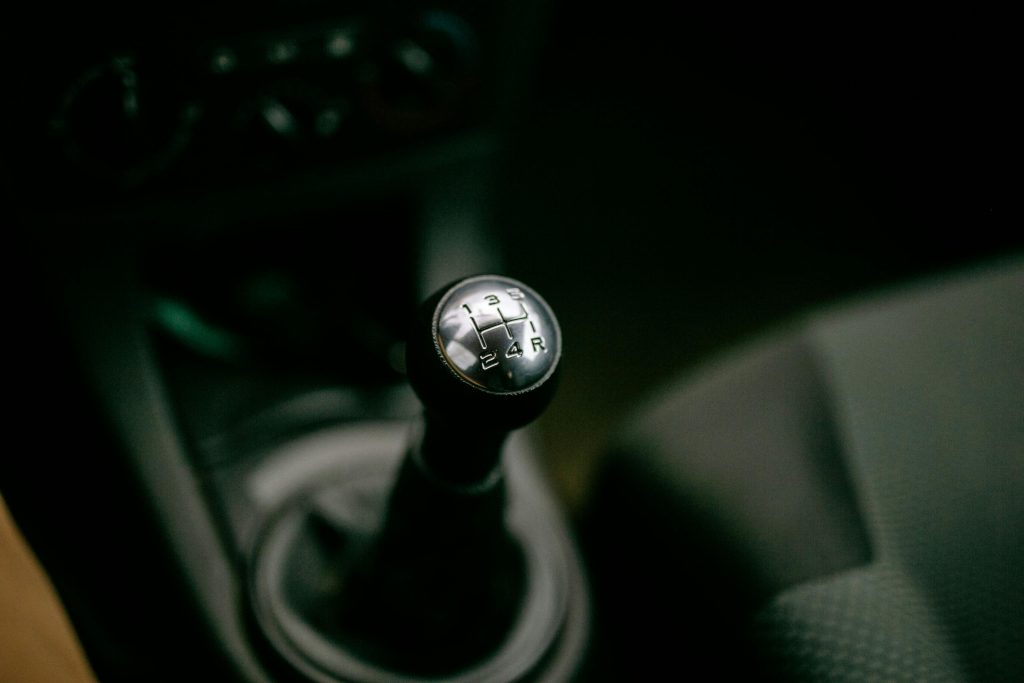
Mastering proper gear shifting techniques is essential for reducing clutch wear and ensuring its longevity. As a manual transmission driver, it’s vital to understand how to engage and release the clutch smoothly to switch between gears effectively.
Keeping RPMs low and avoiding sudden shifts can greatly extend the life of your clutch.
Here are key strategies to keep in mind:
- Engage and Release the Clutch Smoothly: Abrupt movements can cause excessive wear. Practice easing into and out of the clutch engagement to find the ‘sweet spot’ where the gear catches without jerking.
- Match Engine Speed for Gear Changes: When shifting up to higher gears or down to first gear, synchronize the engine RPMs to the new gear speed to avoid lugging or revving the engine unnecessarily.
- Avoid Skipping Gears: While it might be tempting in city driving, skipping gears puts additional strain on the clutch and can lead to uneven wear.
Importance of Routine Maintenance
Routine inspections significantly reduce the risk of clutch failure, as data indicates a direct correlation between scheduled maintenance and clutch longevity.
Regular Inspection Benefits
Regular inspections of your car’s clutch system can detect early signs of wear, preventing costly future repairs and ensuring peak performance. This essential approach is vital in maintaining the integrity of your vehicle’s performance.
Key benefits of professional inspections include:
- Essential Detection: Spotting minor issues before they turn into major problems can save you a fortune in clutch repair costs.
- Performance Optimization: Regular maintenance ensures that your clutch is operating at its best, providing you with a smoother driving experience.
- Lifespan Extension: Routine checks and adjustments can significantly prolong the functional life of your clutch, preventing premature wear.
Professional inspections are vital in maintaining the health of your clutch. These checks delve deep into the technical aspects, ensuring that every part of your clutch system functions correctly.
Fluid Level Checks
Regularly checking your car’s clutch fluid levels is crucial for maintaining peak clutch performance and preventing wear. Confirming proper clutch fluid levels isn’t just about keeping your car running.
When you check and top off your clutch fluid, you’re taking proactive steps to prevent premature wear and extend the lifespan of your clutch.
Low clutch fluid can lead to clutch slippage, where the clutch fails to engage properly, roughing gear shifts and potentially damaging the transmission. This isn’t just a minor inconvenience; it’s a critical failure point that could lead to costly repairs if not addressed promptly.
Clutch Usage Tips
Implementing routine maintenance practices, such as timely fluid replacements and proper gear shifting, is essential for maximizing your clutch’s lifespan.
To keep your clutch in good working order, it’s important that you’re not only mindful of how you drive but also diligent about the upkeep of your vehicle.
Here are some targeted strategies that can greatly increase the longevity of your clutch:
- Stop Driving Habits That Stress the Clutch: Avoid using your clutch to hold the vehicle on a hill, which can lead to excessive wear. Instead, use the handbrake until it’s time to move.
- Keep Your Foot Off the Pedal When Not Shifting: Even lightly resting your foot on the clutch pedal can cause unnecessary pressure on the clutch mechanism, leading to premature wear.
- Follow Recommended Service Intervals: Regular visits to a repair service for clutch inspection can catch issues before they lead to major repairs.
When to Seek Professional Help
If your clutch begins slipping or you find shifting gears challenging, it’s crucial to consult a professional mechanic promptly.
Experiencing clutch slipping or difficulty shifting gears signals a potential breakdown in your vehicle’s clutch system, which necessitates immediate attention. Ignoring these signs can escalate to more severe, costly repairs.
Professional mechanics are equipped with the specific tools and knowledge to diagnose clutch issues accurately. They can determine whether the problem stems from the clutch plate, pressure plate, flywheel, or the hydraulic system. Early diagnosis can often prevent the need for more extensive and expensive repairs.
Extending Clutch Life With Adjustments
To guarantee your clutch’s longevity, it’s essential to maintain an ideal pedal setting.
Regular inspections by a skilled technician can detect early signs of wear and misalignment, preventing costly repairs.
Optimal Clutch Pedal Setting
Adjusting your clutch pedal to guarantee proper free play can greatly reduce wear on the clutch system, enhancing both its performance and longevity.
When you set your clutch pedal correctly, you’re not just adjusting; you’re taking a proactive step towards maintaining the health of your vehicle’s transmission system. This ensures smoother gear changes, minimizes the risk of clutch slippage, and extends the life of your clutch.
To help you get started, consider these main points:
- Height Adjustment: Ensure the pedal height aligns with your comfort and vehicle specifications to facilitate easier and accurate clutch engagement.
- Engagement Point Tuning: Adjust the point at which your clutch starts to engage. This should be neither too high nor too low, to prevent unnecessary strain on the clutch mechanism.
- Free Play Check: Regularly check the free play in your clutch pedal. It should have just enough room to move freely before resistance is felt, which indicates the clutch is starting to engage.
Regular Clutch Inspections
Regular clutch inspections enable early detection of potential problems, ensuring timely adjustments that enhance performance and reduce the risk of costly repairs.
Adjusting the clutch engagement points is important. By fine-tuning where your clutch engages, you optimize the power transfer from the engine to the transmission.
This precision helps to avoid undue stress on the clutch plate, thereby extending its lifespan.
Monitoring clutch pedal free play is another key aspect. Adequate free play ensures that the clutch fully engages and disengages, a fundamental for smooth gear shifts and reduced wear. Insufficient or excessive free play can lead to clutch slippage or incomplete clutch release, which can prematurely wear out your clutch.
Conclusion
To sum up, by adopting mindful driving habits and diligent maintenance, you can greatly prolong your car’s clutch lifespan. Statistically, proper care can enhance clutch longevity by up to 50% compared to neglected systems.
Emphasize routine inspections and timely adjustments. Remember, every shift you make and every hill you ascend impacts your clutch’s wear.
Stay proactive in maintenance and consult professionals regularly to guarantee peak performance and avoid premature clutch failure.
Reach out to American Imports Auto Repairs today at 262-384-6008 to schedule your vehicle’s routine maintenance or other needs.