You might think of antifreeze only when winter’s chill sets in, but did you know it’s working hard to protect your engine all year round?
By regulating the engine’s temperature, antifreeze prevents it from overheating during the summer and freezing when temperatures drop. What’s more, its role extends beyond simple temperature control.
This seemingly simple fluid plays an essential part in preventing corrosion and promoting efficient engine performance.
However, not all antifreeze is created equal, and there are important factors to take into account when choosing the right type for your vehicle. Curious about what makes one type better suited for your car than another?
Understanding Antifreeze Composition
Antifreeze, typically comprising ethylene glycol and water, is engineered to modify the thermal properties of your engine’s cooling system. This essential fluid performs effectively when the ethylene glycol and water mixture is balanced to suit your vehicle’s specific needs, providing both freezing point depression and boiling point elevation.
The primary role of antifreeze is to lower the freezing point of the coolant, which prevents the water in your engine’s radiator from freezing, even in severe cold. This is necessary as frozen coolant can lead to catastrophic engine damage.
Antifreeze raises the boiling point of the coolant, allowing your engine to operate efficiently in extreme heat without overheating. The formulation includes inhibitors that play a pivotal role in engine protection.
These additives help in corrosion prevention, combatting the internal rust that can degrade engine components over time. They also prevent scale buildup that can clog your cooling system and lead to inefficiency or failure.
Benefits of Year-Round Use
Given the role of antifreeze in adjusting thermal properties, it’s essential to acknowledge its benefits throughout the year. Consistently using antifreeze not only guarantees that your engine performs at its best but also integrates you into a community of informed vehicle owners who prioritize maintenance and efficiency.
Here are some key benefits of using antifreeze year-round:
- Temperature Regulation: Antifreeze helps in maintaining the engine’s temperature within ideal ranges, preventing damage from thermal extremes.
- Engine Longevity: By mitigating the risk of corrosion and scale buildup, antifreeze extends the life of your engine components.
- Preventive Care: Regular use of antifreeze prevents the water in your cooling system from reaching a freezing point, which could lead to significant engine damage.
Preventing Overheating and Freezing
To effectively manage engine temperatures, antifreeze absorbs and dissipates the excessive heat generated during vehicle operation. This important function prevents your engine from overheating, a common cause of serious engine damage.
The unique properties of antifreeze raise the boiling point of the engine coolant. This adjustment is essential as it prevents the coolant from boiling over, even under extreme operating conditions. Hence, you’re safeguarded from the risks of overheating, which can lead to costly repairs and downtime.
In colder climates, the role of antifreeze extends to lowering the freezing point of the coolant mixture. This prevents the water in your engine’s cooling system from freezing, which could otherwise expand and cause significant damage to the engine block and other components.
Through these mechanisms, antifreeze plays an indispensable role in preventing damage and ensuring that your car’s engine runs smoothly, regardless of the weather conditions. This protection is essential for the longevity and reliability of your vehicle.
Antifreeze Vs. Coolant
Understanding the difference between antifreeze and coolant is essential for maintaining your vehicle’s engine efficiency and longevity. While you might hear these terms used interchangeably, they refer to different stages of the same essential fluid in your vehicle’s cooling system.
Here’s why it’s vital to know the distinction:
- Antifreeze is a concentrated mixture that needs to be diluted before use. It contains glycol and inhibitors that offer engine protection by preventing the liquid inside your radiator from freezing in winter and boiling over in summer.
- Coolant is the diluted form of antifreeze mixed with water, typically in a 50/50 ratio, although specific types and ratios of antifreeze may be recommended depending on your vehicle for peak performance.
- Engine Protection is enhanced by both, but using the right coolant ensures that the inhibitors keep the engine parts clean and corrosion-free, adapting to temperature variations effectively.
Maintenance and Replacement Tips
Regularly checking your antifreeze levels twice a year guarantees that your engine remains protected under varying temperature conditions. This practice isn’t just about ensuring ideal engine cooling; it’s important for preventing serious antifreeze issues such as corrosion and overheating.
To maintain this important fluid, follow these maintenance tips closely. Firstly, replace your antifreeze every 30,000 miles, or as directed in your vehicle’s manual. This guideline isn’t random; it’s based on extensive research aimed at maximizing the lifespan and efficiency of your engine.
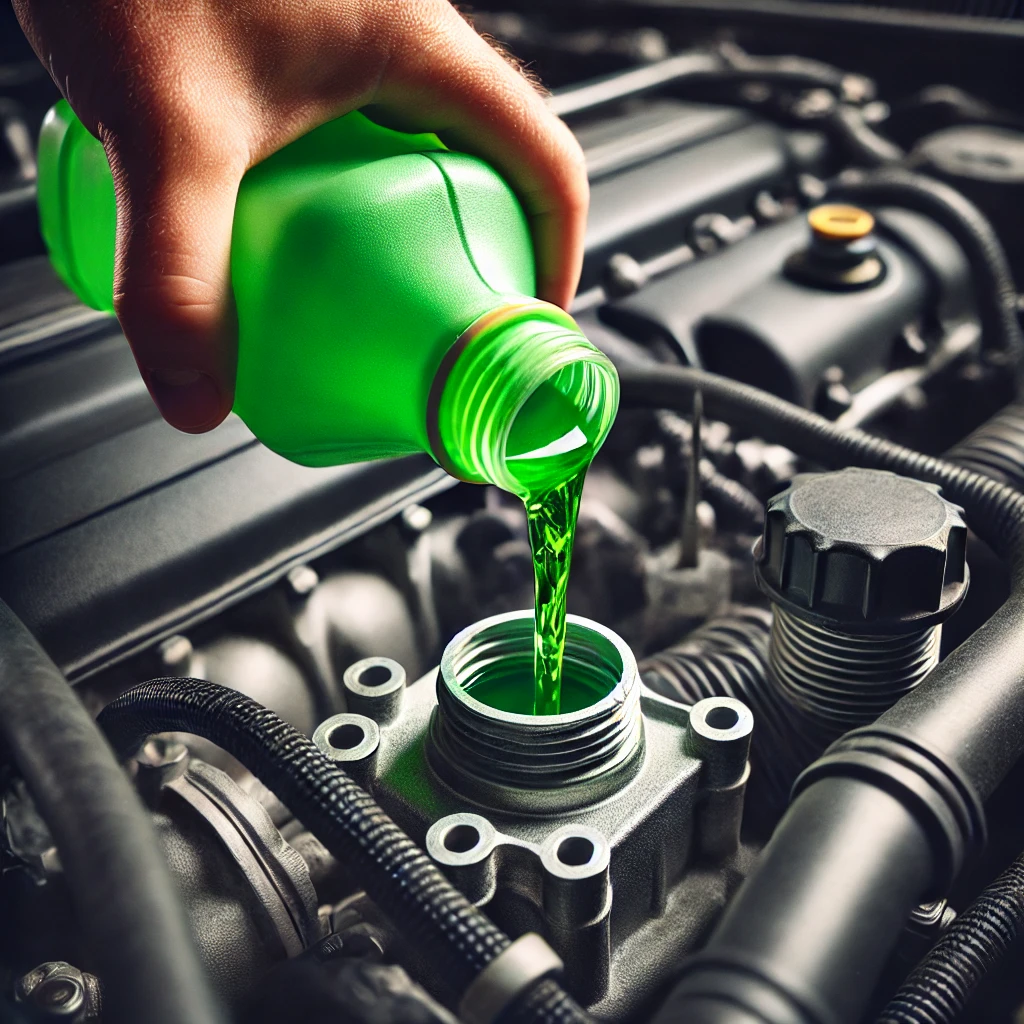
When topping up, always ensure the engine is cool to avoid any potential hazards, and strictly use the antifreeze type recommended by your vehicle’s manufacturer to prevent damage from incompatible chemicals.
Be vigilant for signs of coolant leaks, discoloration of the coolant, or an unusually high engine temperature, which may indicate a failing antifreeze system. Addressing these signs early can prevent more severe complications like engine failure.
Adhering to these guidelines not only fosters a sense of responsibility but also ensures you’re part of a community committed to diligent vehicle care. Through antifreeze replacement and adherence to recommended practices, you’re actively participating in corrosion prevention and overheating prevention, safeguarding your engine year-round.
Conclusion
Just as a shield guards a warrior, antifreeze protects your engine through the relentless cycles of seasons.
Consistently maintaining the precise balance of ethylene glycol and water in your coolant system not only prevents the catastrophic extremes of boiling and freezing but also fortifies the heart of your vehicle against corrosion.
Regularly replacing and examining your coolant can extend your engine’s lifespan, ensuring it performs at its best across countless miles and diverse weather conditions.
Embrace meticulous maintenance; your engine’s longevity depends on it.