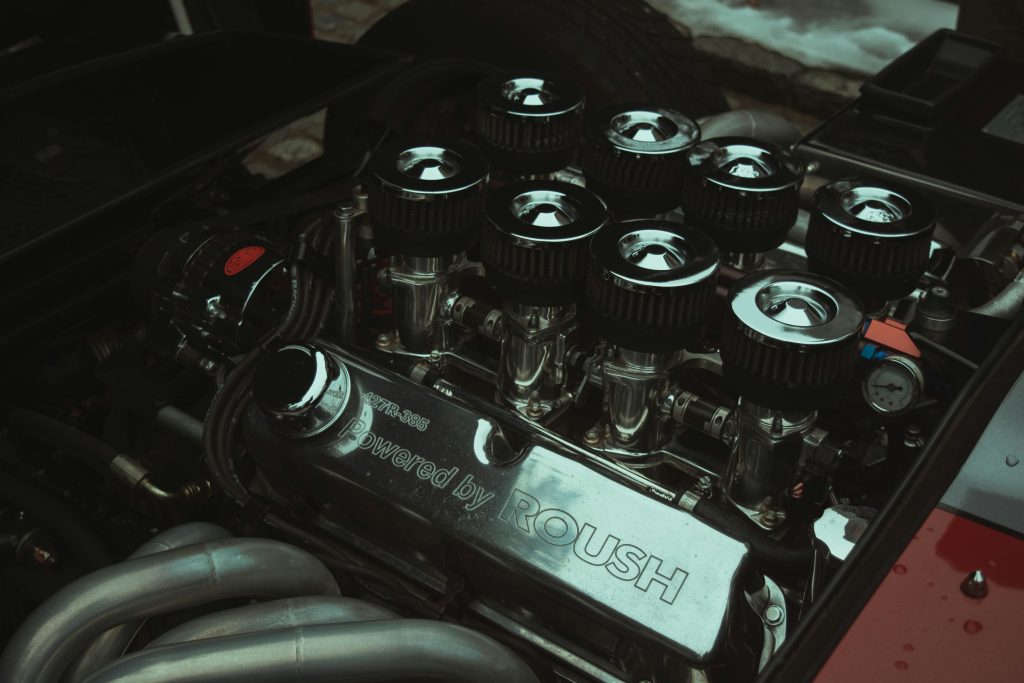
Fixing a leaking valve cover gasket is an essential car maintenance task. It helps prevent oil leaks that can damage your engine and cause performance issues.
While replacing a valve cover gasket might seem straightforward, it’s easy to make mistakes that can lead to more problems. By knowing what to avoid, you can save time, money, and frustration.
Let’s dive into the common mistakes people make when fixing a leaking valve cover gasket and how to avoid them.
1. Not Diagnosing the Leak Properly
Before jumping to replace the valve cover gasket, confirm that it is the actual source of the leak. Many other components, such as the oil pan gasket or camshaft seals, could also be responsible for the issue. Skipping this step might lead to replacing the gasket unnecessarily and leaving the real problem unresolved.
Tip: Inspect the valve cover area for fresh oil traces, and clean the surrounding parts to pinpoint the exact source of the leak.
2. Using the Wrong Replacement Gasket
Not all valve cover gaskets are created equal. Using the wrong type, size, or material can lead to improper sealing, which might cause leaks to persist. Some gaskets are made of rubber, while others are cork or silicone-based. Each type is designed for specific applications.
Tip: Always check your vehicle’s manual for the correct gasket type and purchase high-quality replacements from trusted brands.
3. Over-Tightening the Bolts
One of the most common mistakes is over-tightening the bolts after installing the gasket. People often think that tightening the bolts extra hard will create a better seal. However, this can crush the gasket, causing it to fail prematurely or even crack the valve cover.
Tip: Use a torque wrench and follow the manufacturer’s recommended torque specifications to tighten the bolts evenly and properly.
4. Skipping the Cleaning Step
Another major mistake is failing to clean the valve cover and the surrounding areas before installing the new gasket. Oil, dirt, and old gasket material left behind can prevent the new gasket from sealing correctly, leading to continued leaks.
Tip: Use a gasket scraper, brake cleaner, or degreaser to thoroughly clean the valve cover, gasket groove, and cylinder head mating surface before installation.
5. Ignoring Warped or Damaged Valve Covers
If your valve cover is bent, warped, or damaged, simply replacing the gasket won’t fix the problem. A damaged cover won’t create an even seal, allowing oil to leak through.
Tip: Inspect the valve cover for warping or cracks. If it’s damaged, replace it along with the gasket to ensure a proper seal.
6. Using Too Much Gasket Sealer
While gasket sealers can be helpful in some cases, overusing them can cause problems. Excess sealant can squeeze into the engine, clogging oil passages or creating blockages. This can lead to engine damage over time.
Tip: Use sealant sparingly and only in areas recommended by the gasket manufacturer, such as around corners or curved sections.
7. Rushing the Job
Replacing a valve cover gasket requires precision and attention to detail. Many people rush through the process, skipping critical steps or overlooking small issues. This often leads to improper installation and recurring leaks.
Tip: Set aside enough time to do the job properly. Double-check every step to ensure the gasket is seated correctly and the bolts are tightened evenly.
8. Reusing Old Gaskets or Bolts
Attempting to reuse an old gasket is a recipe for failure. Once removed, gaskets lose their sealing ability and won’t perform as intended. Similarly, using worn-out or damaged bolts can prevent proper tightening and lead to leaks.
Tip: Always replace the gasket with a new one and inspect the bolts. Replace any that are stripped or damaged.
9. Not Checking the PCV System
A clogged or malfunctioning Positive Crankcase Ventilation (PCV) valve can increase internal engine pressure, causing the valve cover gasket to fail. If you replace the gasket without addressing this issue, the new gasket may also leak.
Tip: Check the PCV valve and hoses for blockages or damage. Replace them if needed to avoid recurring leaks.
10. Forgetting to Test After Installation
After replacing the valve cover gasket, many people forget to check for leaks. This is a crucial step to ensure the repair is successful. Failing to do so might leave you unaware of lingering issues.
Tip: Start the engine and let it run for a few minutes. Inspect the valve cover area for any signs of leaks and address them immediately if they appear.
Final Thoughts
Fixing a leaking valve cover gasket might seem like a simple task, but small mistakes can lead to big problems. By avoiding these common errors and following proper procedures, you can ensure a successful repair.
Always take your time, use the right tools and parts, and double-check your work. If you’re unsure or lack the necessary skills, don’t hesitate to consult a professional mechanic.
Taking care of your vehicle’s maintenance ensures its longevity and performance. Stay informed, avoid shortcuts, and you’ll be back on the road with confidence in no time.