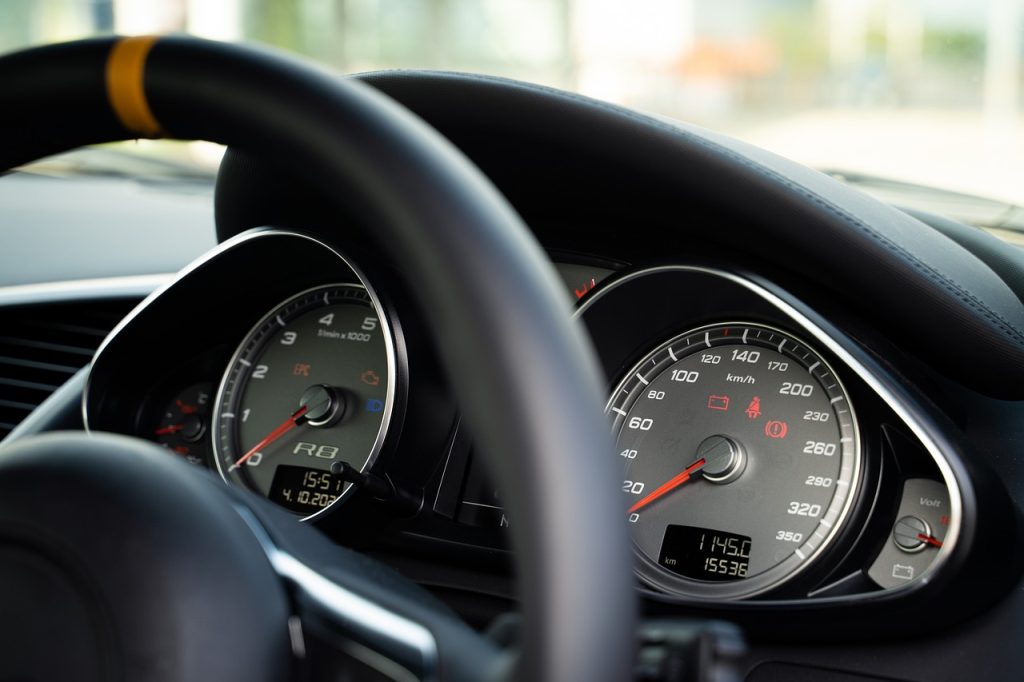
Few things are as nerve-wracking for a driver as seeing the check engine light flashing on the dashboard; especially when it’s accompanied by your car shaking. It’s an unmistakable sign that something is wrong.
While the situation can feel overwhelming, understanding what’s happening and knowing how to respond can make all the difference.
This article breaks down the steps you should take to address this issue safely, efficiently, and with minimal stress.
1. Understand the Importance of a Flashing Check Engine Light
When the check engine light comes on, it’s usually an alert to check for potential engine issues. However, when it flashes, the situation is more urgent.
Unlike a steady check engine light, a flashing light often signals a severe engine misfire. Misfires happen when one or more cylinders in the engine fail to ignite properly.
Driving with an active misfire can lead to:
- Serious engine damage: Misfires cause unburnt fuel to enter the catalytic converter, which can overheat and fail. This repair alone can cost thousands of dollars.
- Reduced performance: Misfires can make your car feel underpowered and increase fuel consumption.
- Safety risks: An engine running poorly could lead to sudden stalls, putting you in dangerous situations.
The flashing light, paired with the car shaking, indicates that your car’s engine is struggling to function correctly. Recognizing this as a serious issue is the first step to resolving it effectively.
2. Pull Over Safely
The moment you notice your car shaking and the check engine light flashing, focus on finding a safe place to pull over. Remaining calm is essential, as driving further in this condition can worsen the damage to your vehicle.
Tips for Pulling Over:
- Turn on your hazard lights: This signals to other drivers that you’re slowing down for an emergency.
- Choose a safe spot: Aim for a shoulder on the road, a nearby parking lot, or any area away from traffic.
- Avoid sudden stops: If possible, slow down gradually to avoid further strain on the engine.
Once you’re safely off the road, you can assess the situation without putting yourself or others in danger.
3. Inspect for Immediate Issues
Once your car is stopped, take a few minutes to inspect for obvious problems. While you may not have the expertise to diagnose the issue fully, certain signs can give you clues about what’s wrong.
What to Check:
- Smoke from the hood: If you see smoke, it’s a sign of overheating or fluid leakage. Do not open the hood immediately, as this can be dangerous.
- Unusual smells: A burning smell could indicate overheating, while a gasoline smell might mean a fuel-related issue.
- Noise levels: Listen for any unusual knocking or clanking sounds from the engine, as these could point to a misfire.
While these observations may not solve the problem, they’re helpful when explaining the issue to a mechanic.
4. Avoid Driving Further
It’s tempting to try to “limp” your car to the nearest repair shop, but this decision can be costly. Driving with a flashing check engine light and shaking can lead to significant damage, including:
- Catalytic converter failure: A misfiring engine sends unburnt fuel into the catalytic converter, which can overheat and cause irreversible damage.
- Further engine wear: Continuing to drive could exacerbate whatever issue is causing the misfire, turning a repairable problem into a major overhaul.
Instead, it’s best to arrange for roadside assistance or call a tow truck to take your vehicle to a mechanic.
5. Use an OBD-II Scanner (If You Have One)
If you have access to an OBD-II scanner, now is the time to use it. This small device plugs into your car’s diagnostic port and provides diagnostic trouble codes (DTCs) that explain what’s wrong.
Common Trouble Codes:
- P0300: General engine misfire detected. It could involve multiple cylinders.
- P0301 – P0308: Misfires in specific cylinders (the last digit indicates the affected cylinder).
- P0420: Indicates problems with the catalytic converter’s efficiency.
- P0171/P0174: Suggests that the engine is running too lean, likely due to fuel or air intake issues.
While the codes won’t repair your car, they’ll help you understand the problem and provide valuable information to your mechanic.
6. Call a Professional
Once you’ve assessed the situation and gathered as much information as possible, it’s time to call a professional. A qualified mechanic can identify the root cause of the issue and recommend the best course of action.
What Mechanics Will Likely Check:
- Spark Plugs and Ignition Coils: Damaged spark plugs or faulty ignition coils are common causes of misfires and shaking.
- Fuel System Issues: Clogged fuel injectors or a failing fuel pump can disrupt the flow of fuel to the engine.
- Air Intake Problems: Vacuum leaks or malfunctioning air sensors can lead to improper air-fuel mixtures, causing misfires.
- Sensor Failures: Problems with oxygen sensors or mass airflow sensors can throw off the engine’s operation, triggering the check engine light.
By providing your observations and any diagnostic codes, you’ll help the mechanic identify and fix the problem more quickly.
7. Take Preventive Measures
Once the issue is resolved, take steps to prevent a similar situation from happening again. Regular maintenance and attention to your car’s performance are key.
Tips for Prevention:
- Follow the maintenance schedule: Stick to the service intervals recommended in your owner’s manual.
- Monitor warning signs: Pay attention to unusual sounds, smells, or performance changes and address them promptly.
- Use quality fuel: Poor-quality gasoline can lead to clogged injectors or misfires. Using reputable fuel brands can make a difference.
- Keep an eye on spark plugs: Replace spark plugs and ignition components as needed to maintain engine performance.
A little proactive care goes a long way in avoiding costly repairs and inconvenient breakdowns.
8. Stay Calm and Prepared
Finding yourself in a situation where your car is shaking and the check engine light is flashing can be stressful, but staying calm is essential. Being prepared with the right tools and knowledge ensures that you can handle the problem effectively.
Essentials to Keep in Your Car:
- An OBD-II scanner for quick diagnostics.
- Contact information for a trusted tow service or roadside assistance.
- A flashlight and basic tools for emergencies.
Final Thoughts
A flashing check engine light and a shaking car are signs that your engine needs immediate attention.
By following the steps outlined here; pulling over safely, inspecting for issues, avoiding further driving, and calling a professional, you can minimize the damage and resolve the issue efficiently.
Taking the time to understand your car’s signals and addressing problems promptly not only protects your vehicle but also ensures your safety on the road.
Preventive care and regular maintenance are your best defenses against unexpected breakdowns.